How to Prepare for a Second Interview

Getting the call back is a genuine milestone. A second interview means you have cleared the first hurdle and the employer is now seriously considering you. But it is not simply a repeat of round one, and preparing as though it is can quietly cost you the offer.
The stakes are higher now and the field is smaller. You are no longer one of many, you are one of a few, and the questions get sharper because of it. Understanding what this stage really tests is the first step to walking in ready.
What a Second Interview Really Tests
The first interview usually answers a simple question: can this person do the job on paper? The second one digs deeper into whether you are the right fit in practice. It probes how you think, how you would handle the actual challenges of the role, and whether you would thrive within the team.
Expect the conversation to move from your CV to your judgement. Instead of “tell me about your experience,” you may hear “how would you approach this specific problem we are facing?” The employer is testing depth, not breadth. They already believe you are broadly capable, and now they want to be sure.
You may also meet new people at this stage, often more senior leaders or potential colleagues. Each of them is forming a view on whether you belong in the team, so the human fit matters just as much as your answers.
How It Differs From the First Round
Recognising the shift in emphasis helps you prepare the right things rather than simply polishing what already worked. The change is real, even if it is subtle.
A few differences tend to show up:
- Questions are more specific and scenario based, less about your background
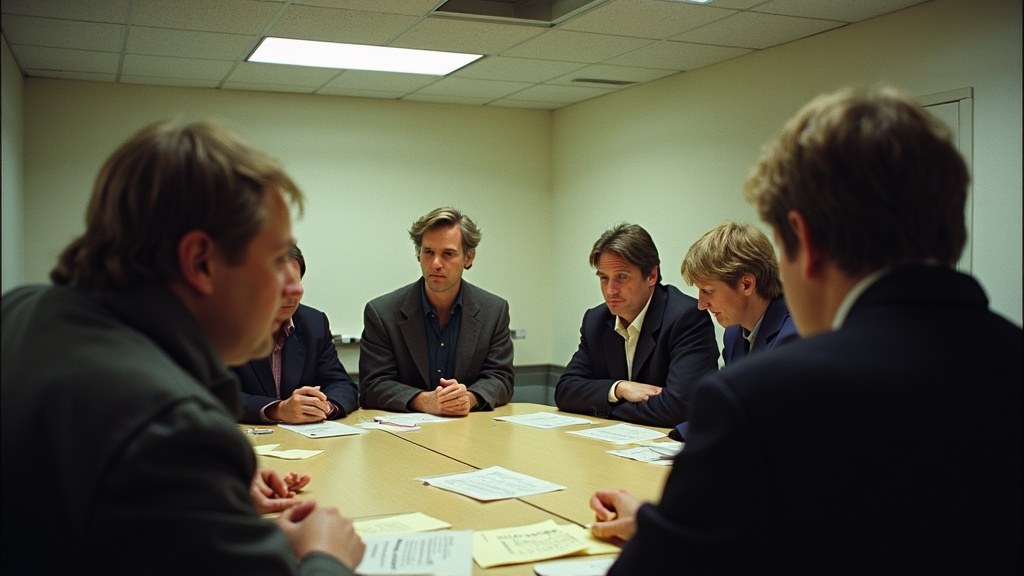
- You may face a panel rather than a single interviewer
- There may be a task, presentation, or practical exercise
- The focus shifts towards culture, values, and long term fit
- Interviewers expect you to build on what you said the first time, not repeat it
Because the format can vary so much, the groundwork differs from a first meeting too. It is worth revisiting the fundamentals of preparing thoroughly for an interview and then layering the second round specifics on top, rather than starting from scratch.
Build on What You Learned First Time
You have a real advantage going into a second interview: you have already met the employer and heard what they care about. Use it. Think back over the first conversation and mine it for clues about what to emphasise now.
Which topics did they linger on? What problems or priorities kept coming up? Was there a question you feel you answered weakly, and how would you strengthen it if it returned? Jot these down and prepare to address them directly. Referencing something specific from the earlier chat also shows you were genuinely engaged, which lands well.
Avoid repeating your first round answers word for word. The interviewers remember them, and possibly compare notes. Instead, add depth, fresh examples, and new detail so you come across as someone with more to give rather than a fixed script.
Research the Company More Deeply
Surface level research got you through the first round. The second demands more. This is where you show that your interest is serious and your understanding runs deep.
Go beyond the homepage. Look into the company’s recent performance, its competitors, the challenges facing its sector, and where it seems to be heading. If you can speak intelligently about the pressures the business is under and how your role helps meet them, you separate yourself from candidates who only skimmed the basics.
Learn about the specific people you will meet if you can, and think about what each might care about. A team lead may focus on how you would work day to day, while a senior director may care about the bigger picture. Tailoring your emphasis to your audience is exactly the kind of judgement this stage rewards.
Prepare for Tasks and Deeper Scenarios
Many second interviews include a practical element: a presentation, a case study, a role play, or a written exercise. If you are told to expect one, treat your preparation for it as seriously as the interview itself, because it often carries real weight in the decision.
For a presentation, keep it clear and well structured, rehearse it aloud, and anticipate the questions it might prompt. For a scenario or case, focus on showing your reasoning rather than reaching a single perfect answer, since interviewers usually care more about how you think than the exact conclusion. Practising your delivery out loud, ideally in front of someone who can give feedback, turns a nerve wracking task into a chance to shine.
Even when no formal task is set, prepare for tougher hypotheticals. Have two or three strong, detailed examples ready that show you solving problems close to those the role involves.
Ask Sharper Questions of Your Own
By the second interview, the questions you ask carry more weight than ever. They are no longer just a polite closing gesture. They signal how seriously you are weighing the role and how deeply you have thought about it.
This is the stage to move past the basics and ask about strategy, team dynamics, how success will be measured, and the real challenges you would face in the first six months. Preparing a set of thoughtful questions to put to your interviewer shows you are already picturing yourself in the role and thinking like someone who intends to succeed in it.
Approach the second interview as a genuine conversation between near equals, and you shift from hopeful applicant to strong contender. That is exactly the mindset that converts a shortlist place into an offer.
Everything you present at this stage builds on the foundation your CV set, so it pays to have that document working as hard as you are. If you want it sharpened before your next round, let our writers refine your CV so you head into the final stretch with real confidence.