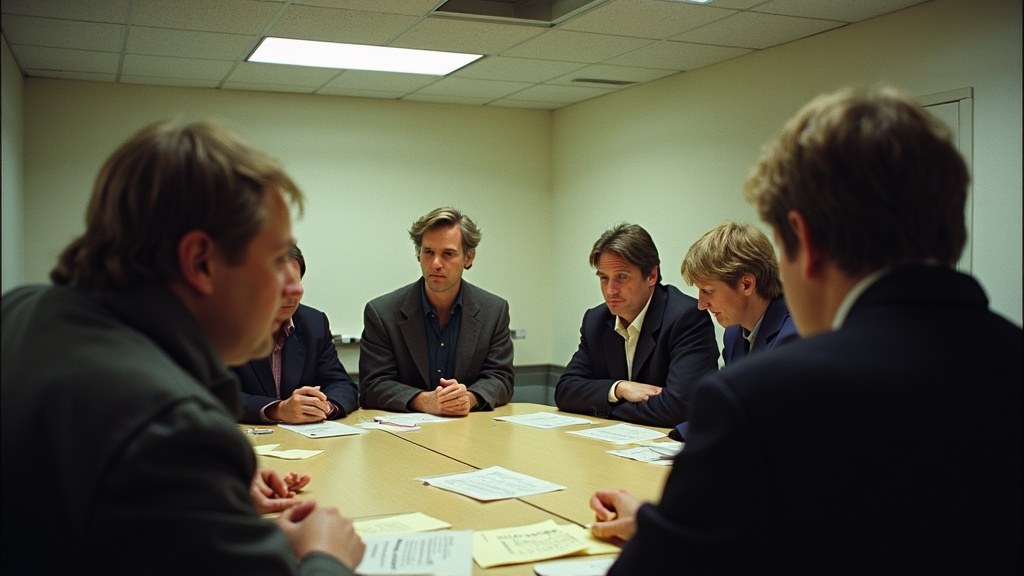
Informal Interviews and Coffee Chats

Someone suggests a coffee. No panel, no competency questions, no formal process. It sounds like a low stakes conversation and it usually is not.
Informal interviews are used constantly, particularly for senior roles, small companies and jobs that have not been advertised yet. The friendliness is genuine, and so is the assessment happening alongside it.
Work Out What It Actually Is
Informal meetings come in three broad types, and preparation differs for each.
The first is a genuine first interview dressed casually, common in startups and small businesses where the founder does not want a formal process. The second is a screening conversation before a formal process begins, often with a hiring manager who wants to decide whether to put you forward. The third is a networking or exploratory chat with no specific role attached.
If you are unsure which you are in, ask when you accept. A simple question about what they would like to cover usually reveals it, and it makes you look organised rather than presumptuous.
Prepare Like It Is Formal
The lack of structure is exactly why preparation matters. In a formal interview the questions come to you in a recognisable shape. In a chat, you have to bring your own material.
Know the organisation, know what they are trying to do, and have three or four concrete examples of your work ready to drop naturally into conversation. Have a clear, short answer to what you are looking for, because that question always comes and a vague answer wastes the meeting.
You do not need to recite anything. You need to have thought about it, so that when the conversation opens a door you have something to walk through.
Dress One Level Below the Formal Version
Informal usually means smart casual rather than a suit, but underdressing is a real risk, particularly if you are meeting in their office.
If you cannot judge it, ask what they suggest, or default to slightly smarter than you think. Nobody has ever lost an opportunity for being marginally too tidy.
Meeting in a cafe changes the practicalities more than the dress code. Arrive early, pick a table where you can hear each other, and offer to buy the coffee.
Let Them Steer, But Bring Direction
The main risk in an informal chat is that forty five minutes pass pleasantly and nothing is established. You leave feeling it went well and nothing happens.
Have two or three things you want to land: what you do, what you are looking for, and one piece of evidence that makes you memorable. Have two or three things you want to find out: what the role really involves, what the team is like, and what happens next.
You do not need to force them. But if you are twenty minutes from the end and none of it has come up, steer.
Ask Better Questions Than You Would Formally
An informal setting gets you more honest answers, and it is worth using.
Ask what the biggest challenge is right now. Ask what would make the first six months a success. Ask what they wish they had known before they joined. These questions land better over coffee than across a table, and the answers tell you far more than the job description will.
Avoid anything that reads as a formal interview question. Asking about their five year strategy at a cafe table makes the whole thing stiff. Our guide on questions to ask your interviewer has more that work in both settings.
Be Careful What the Informality Loosens
The friendliness is the trap. Candidates who would never criticise a former employer in a formal interview will do it over coffee, because it feels like a private conversation between two people in the same industry.
It is not. Everything you say gets reported back, and negative comments about a current employer, a named colleague, or another company in the sector travel further and faster than you expect.
Be warm and be candid about your ambitions. Do not be indiscreet.
Salary and Terms
Informal chats often surface money earlier than a formal process would, which is usually a good thing because it saves everyone time.
Have a range ready and give it without agonising. If you would rather not lead, saying that you would like to understand the role better first, and asking what range they have in mind, is a normal and acceptable answer. Our guide on discussing salary expectations covers the wording for both.
Close With a Next Step
This is the part most people skip, and it is where informal meetings fail.
Before you leave, ask what the next step looks like. If there is a role, ask what the process is and when. If there is not yet a role, ask whether it would be useful to send your CV and whether they would like you to stay in touch.
Then follow up in writing within a day. A short message thanking them, referring to something specific you discussed, and confirming whatever you agreed. That email is what turns a nice conversation into a process, and it is the single highest value thing you can do afterwards.