Panel Interview Tips to Win Over Every Interviewer

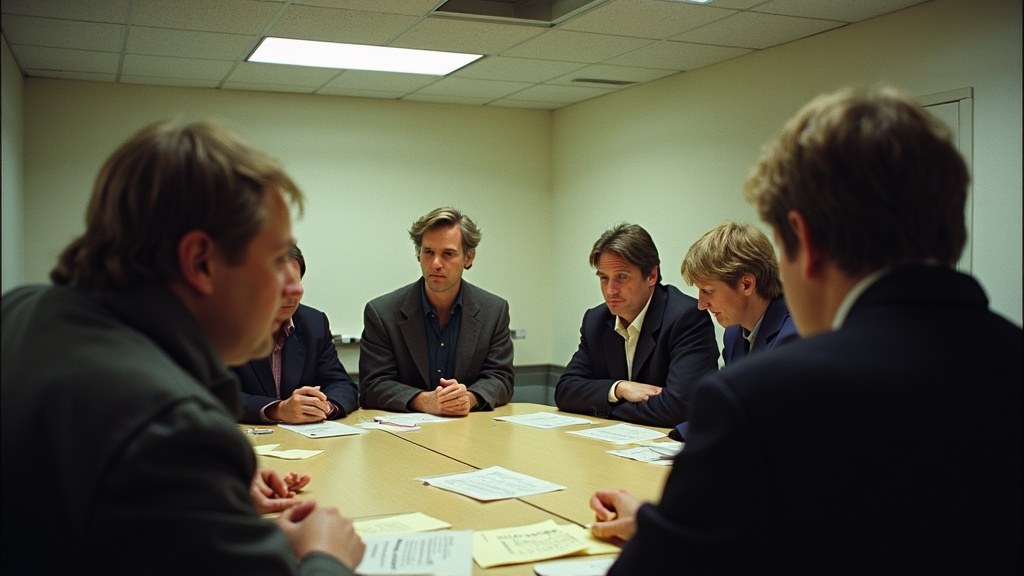
Walking into a room to find three or four people waiting for you can feel like an ambush, even when it is nothing of the sort. A panel interview is simply a way for an organisation to gather several viewpoints in one sitting, yet the sheer number of faces can rattle even a well prepared candidate. Suddenly you are not persuading one person, you are persuading a committee.
The good news is that a panel is far more manageable than it first appears. With the right panel interview tips, you can turn a wall of unfamiliar faces into a room full of people quietly rooting for you. It comes down to preparation, presence and a few small habits that make every interviewer feel included.
Understand who is in the room and why
A panel usually brings together people with different stakes in the decision. You might face your would-be line manager, someone from human resources, a senior leader and a future colleague, each listening for something slightly different. The manager cares whether you can do the job, HR watches for culture and conduct, the senior leader thinks about the bigger picture, and the peer wonders what you would be like to work alongside. Whatever their angle, every one of them will have formed a first view of you from your CV, and a polished, professional CV ensures that impression works in your favour before you say a word.
If you can, ask the recruiter in advance who will be on the panel and what their roles are. Knowing the mix lets you prepare a couple of points for each perspective, so no one leaves feeling their concerns went unanswered. Even a rough idea helps you read the room once you are in it.
Greet everyone and remember their names
First impressions multiply in a panel setting. When you enter, make a point of greeting each person, offering a warm hello and a handshake if that feels natural for the setting. It signals confidence and respect, and it buys you a moment to steady your nerves.
Names are your secret weapon. As each interviewer introduces themselves, repeat their name back once and try to hold onto it. Referring to someone by name later, “To build on your question, Sarah,” makes the exchange feel personal and shows you are present rather than reciting rehearsed lines. If you are offered a panel with printed name cards or a note, use it.
Manage your eye contact across the group
This is the skill that separates a smooth panel performance from an awkward one. When a particular interviewer asks a question, begin your answer by looking at them, since it is their query you are addressing. As you speak, though, gently share your gaze with the others so no one feels shut out.
A simple rule works well here. Anchor on the person who asked, then let your eyes travel calmly around the panel as you develop your point, returning to the questioner as you land your conclusion. Avoid the common mistake of fixing only on the most senior or the friendliest face. Everyone in that room has a vote, and everyone deserves your attention.
Because so much of a panel is read through your posture and expression, it is worth brushing up on the role of body language in successful interviews before the day, so your open, engaged manner reinforces every word you say.
Handle rapid fire questions with structure
Panels can move quickly, with questions arriving from different directions and the occasional follow-up before you have finished your thought. The antidote to that pressure is structure. Give yourself permission to pause for a second before answering, gathering your thoughts rather than tumbling straight into a reply.
For questions about your experience, a simple framework keeps you on track:
- Briefly set the scene so the whole panel understands the context
- Explain what you did and the thinking behind it
- Finish with the result, ideally with a number or a clear outcome
If two interviewers ask overlapping questions, it is perfectly fine to acknowledge that, “That connects nicely to what David asked earlier.” It shows you are listening to the room as a whole, not just fielding queries one by one. And if you genuinely do not know something, say so honestly and explain how you would find out. A panel respects composure far more than bluffing.
Stay calm and read the room
Nerves are natural, especially with several people watching. Slow, steady breathing before you enter does more than you might expect, and a glass of water on the table gives you a legitimate reason to pause and reset if a question catches you off guard. Nobody minds a thoughtful silence.
Remember that a panel is not a group of candidates competing against you, which is a very different scenario. If you want to prepare for that format too, our guide to group interviews and how to stand out and succeed covers the tactics that apply when you are one of many hopefuls in the same room. In a panel, though, everyone at the table is on the same side, trying to decide whether you are the right fit. Treat it as a conversation with a small, curious audience rather than an interrogation.
Watch for the quieter signals as well. A nod, a note being jotted down, a follow-up question that digs deeper, these all tell you a point has landed. Stay responsive, keep your energy warm, and close by thanking each person, ideally by name, as you leave.
A panel interview rewards the candidate who makes every person in the room feel heard. Prepare for each perspective, share your attention generously and keep your answers structured, and you will win over the whole table rather than just one face.
Of course, none of this matters until your CV earns you a seat at that table. If yours is not opening enough doors, let our writers give it a professional edge so more panels get the chance to meet you.