What to Wear to a Job Interview
You have prepared your answers, researched the company and rehearsed your pitch. Then, the night before, a new worry surfaces: what on earth are you going to wear? It sounds superficial, yet your outfit is the very first thing an interviewer notices, forming an impression before you have said a single word.
Knowing what to wear to an interview is really about matching the room you are walking into. Dress too formally for a relaxed studio and you look out of touch, dress too casually for a law firm and you look unserious. Get it right and your clothes quietly do their job, letting your personality and answers take centre stage while your confidence rises a notch.
Research the dress code before you decide
Guesswork is your enemy here. Before you plan anything, dig into how the organisation actually presents itself. Their website, their social media and any team photos tell you a great deal about the everyday tone of the place. A corporate consultancy in suits sends a very different signal from a design agency in trainers.
If you are unsure, there is no shame in asking. A quick, polite message to the recruiter, “Could you let me know the usual dress code for interviews?” is entirely professional and removes the anxiety altogether. When in genuine doubt, lean slightly smarter than the everyday norm. It is far easier to remove a tie or jacket than to conjure formality you did not bring.
Dressing for formal and corporate roles
Some sectors still expect traditional business dress, and interviews for them are not the place to experiment. Think law, finance, accountancy, banking and senior corporate positions, where a polished, conservative look signals that you understand the environment.
For these settings, aim for:
- A well fitted suit in a dark, neutral colour such as navy, charcoal or grey
- A crisp, ironed shirt or blouse in a plain, understated shade
- Clean, polished formal shoes and smart, coordinated accessories
- Grooming that looks tidy and considered, with minimal fuss
Fit matters more than expense. A modest suit that fits you properly always looks better than a costly one hanging awkwardly. Make sure everything is clean, pressed and comfortable, because fidgeting with an ill fitting collar will undo all your careful preparation.
Navigating smart casual workplaces
Many modern employers, from tech firms to marketing teams and startups, sit in the smart casual middle ground. This is the trickiest zone to read, because smart casual means presentable and considered, not scruffy. The mistake is hearing “casual” and reaching for jeans and a hoodie.
A safe smart casual look might pair tailored chinos or smart trousers with a clean shirt, a blouse or a fine-knit jumper. A blazer instantly lifts an outfit and can be shed if the room feels relaxed. Footwear should be smart rather than sporty, so leather shoes or clean, minimal boots over well worn trainers. The aim is to look like someone who takes the opportunity seriously without appearing stiff or overdressed for the culture. That same seriousness should already come through in your application, since a carefully written CV is what convinces an employer you are worth meeting in the first place.
Creative industries and expressing personality
In creative fields such as design, fashion, media and the arts, the rules loosen considerably, and a little personality is often welcome. Here, turning up in a rigid grey suit can read as a lack of imagination, the very quality these employers prize.
That freedom is not a licence to be careless, though. You still want to look intentional and put together, simply with more room for colour, texture and individual style. Let one considered choice, a bold accessory, an interesting jacket, do the talking rather than overloading the outfit. The goal is to show taste and confidence while still respecting that this is a professional meeting, not a night out.
Let your outfit support your confidence
Whatever the sector, the deeper purpose of dressing well is how it makes you feel. When you know you look the part, you stop thinking about your clothes and start focusing on the conversation. That quiet self assurance shows in your posture, your voice and your ease, all of which an interviewer picks up on.
Your clothes and your body language work together, so it is worth understanding the role of body language in successful interviews, since an open, confident stance and a genuine smile amplify whatever you are wearing. Comfort feeds into this too. Shoes you can walk in, a collar that does not pinch and layers you can adjust all help you stay present rather than distracted.
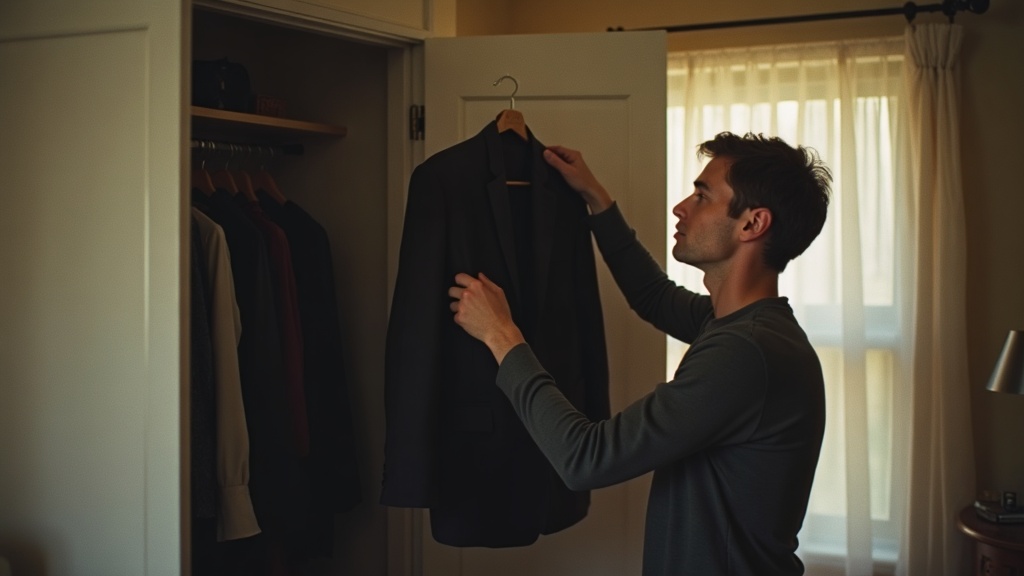
Finally, prepare your outfit the night before, checking for stains, loose threads and creases while there is still time to fix them. This is one small piece of the wider readiness that separates calm candidates from anxious ones, and our guide on how to prepare for an interview covers the rest of that groundwork so nothing catches you out on the day.
The right interview outfit is the one that fits the culture, fits your body and lets you forget about it entirely. Research the dress code, err slightly smarter when unsure, and choose clothes that make you feel like the professional you are.
Just as your outfit shapes that first impression in person, your CV shapes it on paper long before you arrive. If yours is not making the right impression, let our writers polish it to match your ambitions.